Episode Info
- Season27
- Episode11
Hosted by Christina Ruffini and Sir Richard Dearlove
Guests
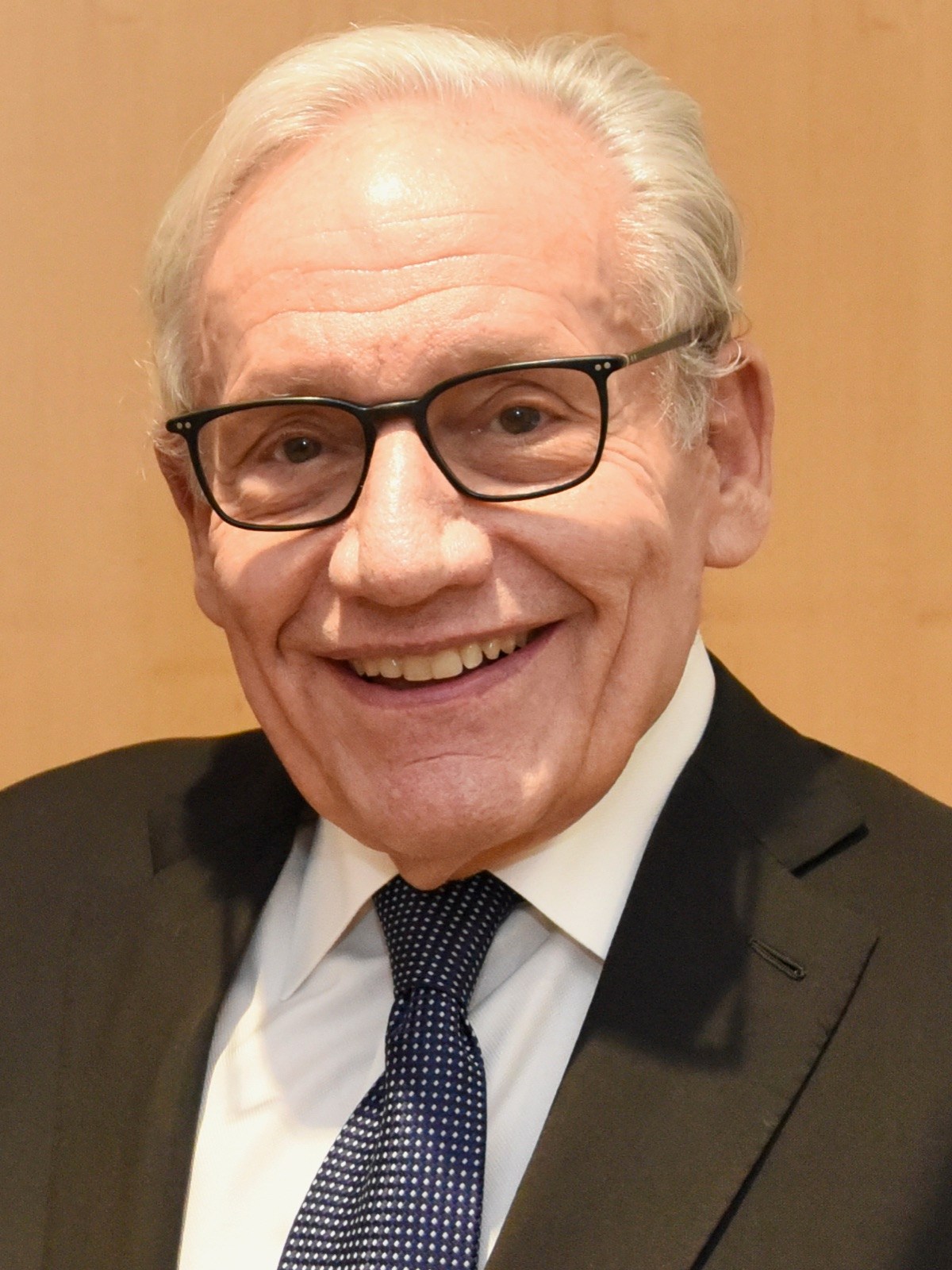
Bob Woodward
Bob Woodward is a legendary Washington Post journalist whose upcoming book 'War' reveals details about foreign policy matters.
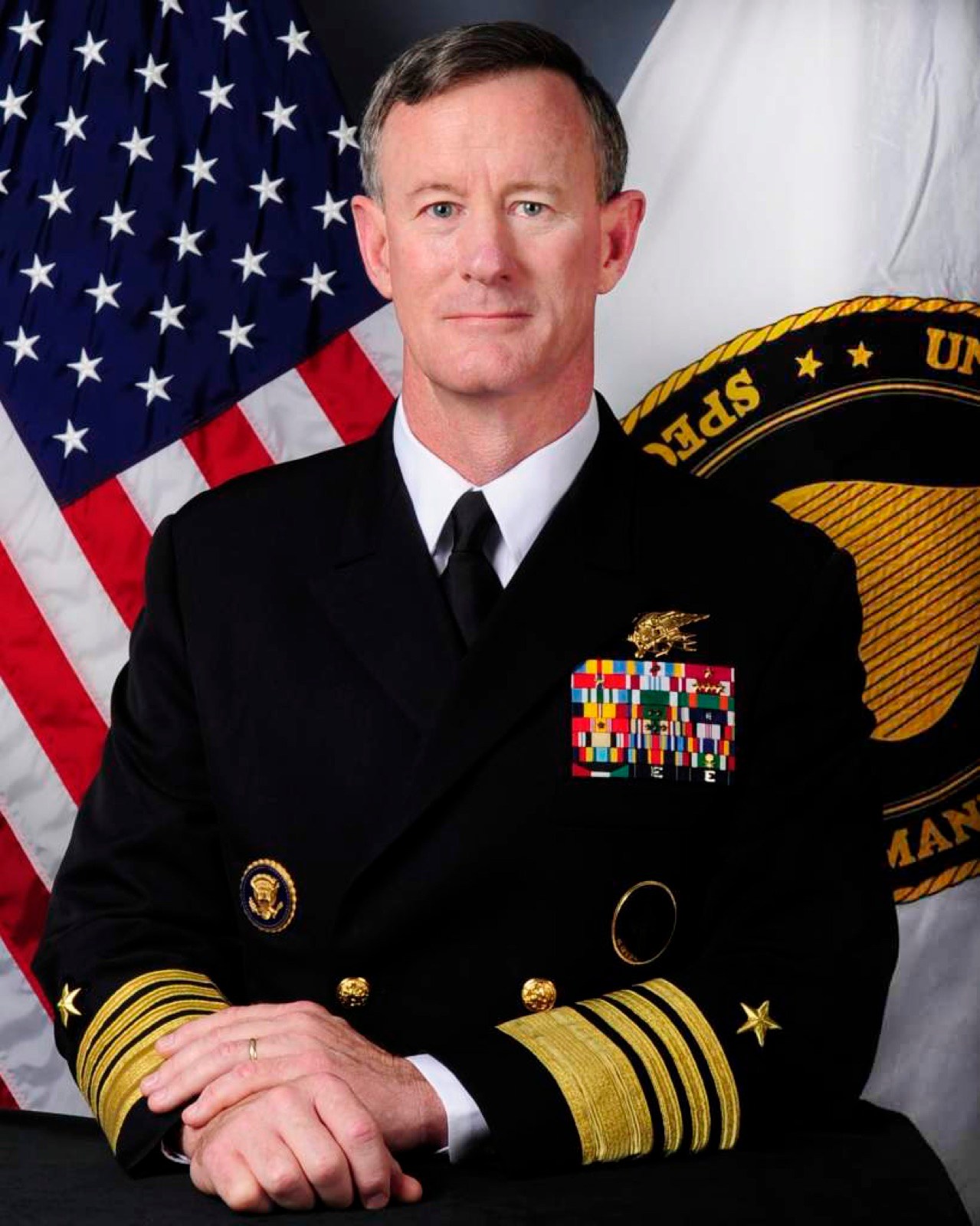
Admiral William McRaven
Admiral William McRaven led the covert operation with Secretary Panetta that killed Osama bin Laden and discusses Ukrainian foreign military aid.
Episode Summary
This week, One Decision’s Christina Ruffini sits down with former CIA director and former Secretary of Defense Leon Panetta to discuss legendary Washington Post journalist Bob Woodward’s upcoming book, War, and the book’s revelations about the rocky relationship between President Joe Biden and Israeli Prime Minister Benjamin Netanyahu, along with former President Donald Trump’s ongoing calls with Russia’s leader Vladimir Putin. Later in the conversation, Admiral William McRaven joins to talk about Ukrainian foreign military aid, and the behind-the-scenes story of the covert operation he and Secretary Panetta led that killed Osama bin Laden.
Listen & Subscribe
- Watch on YouTube
- Listen on Apple Podcasts
- Listen on Spotify
Transcript
COLD OPEN
Mcraven: And this is not about the Soviet Union. This is about imperial, you know, czarist Russia. So now you're thinking, my gosh. Is this man unstable? If he's unstable enough to invade Ukraine in the twenty first century, is he unstable enough to use tactical nuclear weapons?
INTRODUCTION
Raffini: I'm Christina Raffini, and this is One Decision, the podcast that looks at the choices that shape our lives. On this week's episode, former CIA director Leon Panetta and I caught up with Admiral Bill McRaven to talk about possibly loosening the restrictions on military aid for Ukrainian defense, the threat of foreign intelligence interference in the upcoming US presidential election, and behind the scenes account of what it was like minute by minute, second by second watching the raid on Osama Bin Laden's Pakistani compound unfold in real time. But before we get to all that, secretary Panetta is back and we're gonna chat a bit about the new book by legendary Watergate journalist, Bob Woodward, War, that has DC all abuzz. First of all, mister secretary, thanks for coming back. Have you been following these drops? Do you know what we're talking about? This new Watergate, Bob Woodward revelations, they're just, they're everywhere.
THE WOODWARD BOOK: TRUMP, PUTIN AND NETANYAHU
Panetta: Yeah. I certainly, I haven't read the book, but I've certainly seen all of the news reports and what's involved. So it's got some pretty, pretty juicy details from conversations between world leaders like Biden, Trump, Putin, and even Netanyahu.
Raffini: The one that seems to be getting a lot of traction is there's this report in the book that Trump sent Putin COVID testing machines in 2020 when they were still really hard to get to. Now the Kremlin, Peskov, has since confirmed that. The Kremlin spokesperson has said, yes, we did get machines, but, you know, we also sent aid is essentially what they said. The conversation, according to the book, goes like this. Putin, quote, please don't tell anybody you sent these to me. Trump, quote, I don't care. Fine. Putin, no. No. I don't want you to tell anybody because people will get mad at you. Not me. They don't care about me. I don't know where to start with my questions on that. Do you wanna start? What are your first impressions of the fact that they're talking, the topic of the conversation, any of the above?
Panetta: I think there's a real legitimate concern about just exactly what is this relationship between Trump and Putin. What is it about? I mean, the other day, Trump basically said, Putin is my friend. Well, I have to tell you, The United States is not a friend to Putin. And Putin's principle objective is to basically undermine our country and destroy our democracy.
Raffini: And he doesn't make a huge secret of that either. That's not a, you know, that's not a secret goal of his.
Panetta: No. No. I can tell you from intelligence and from being secretary of defense that our primary focus was on the threat from Russia because Russia is constantly trying to undermine our democracy. They're doing it as we speak. So it's a little scary to have a president who's got this kind of friendly relationship with our worst adversary, Vladimir Putin. What it does is it makes clear every time Trump says he can resolve these conflicts in the world. I think he probably can largely because he'll give in to the tyrants. They'll basically let them have their way. And that's what's scary is that he wouldn't hesitate to try to appease them because he loves to have their adoration as well as they having his adoration. It is the world of autocrats and tyrants, and that's a world that, frankly, the president of The United States should not be a part of.
Raffini: But reportedly, it's not just when Trump was president. The book reports that he had as many as seven phone calls after the presidency with Putin, and the content of that is unknown. That brings up a couple issue. One, the violation of Logan Act, which restricts US citizens from engaging in diplomatic affairs with US rivals. Right? You can't engage unofficially when you're not in the government with people who are antagonistic towards The United States. And the other question I had for you, because you know the behind the scenes of this, my understanding is Putin does not or will not speak a conversational level of English. Right? So how are they having these conversations? Do you think he's speaking directly through a translator? Like, what are the logistics of these calls?
Panetta: Well, who the hell knows? You know, sometimes you can have a conversation with somebody who may not be totally literate in English only because they pick up a few words, know a few words, and Putin's been around. He's picked up some English. That probably can go ahead and at least conduct a halfway conversation. The concern is that it even raises the specter of the Logan Act to have a president basically engaging with an adversary. Who knows what deals are made? Now, the Logan Act goes back a long way, but it's been rarely enforced. I remember when I was in Congress, there were rumors about trying to enforce the Logan Act against some people that were basically having meetings or discussions with adversaries of one kind or another. Unless you got, you know, an actual tape of the conversation, unless you really know what was said, I mean, sides are gonna deny any kind of conversation that relates to policy. But the mere fact that a former president of The United States is having regular conversations with our primary adversary raises real questions about where is his basic loyalty. Is it really to The United States Of America or is it to Donald Trump? Why would you possibly, somebody who wants to be president of The United States, have a continuing relationship with somebody who's a tyrant and is basically our enemy? I don't have any answers to that, but it sure as hell raises a lot of questions.
Raffini: Now the Trump campaign has dismissed the book and said they are made up stories written by a quote, deranged man. The quote they gave to another outlet was president Trump gave him, being Woodward, absolutely no access for this trash book that either belongs in the bargain bin of the fiction section of a discount bookstore or used as toilet tissue. They also have some choice quotes from President Biden about Vladimir Putin, that are different and quite colorful. I've been told there are too many f bombs in these quotes for me to say them and us to bleep them out, so I'm going to edit myself. But the quotes attributed to President Biden in the book are that effing Putin and Putin is evil, we are dealing with the epitome of evil. Is that more in line with what you would expect from someone who's read in on this individual, with all the, you know, the might of the intelligence apparatus?
Panetta: I know. Look. Joe Biden's had forty years, over forty years of experience dealing with Putin. There was no question when I became director of the CIA and I talked to my Russian analysts that they had a very clear view of Putin. I think it was our former secretary of defense and former director of the CIA, mister Gates, when asked about Putin, said, what you need to know about Putin is just one thing, KGB, KGB, KGB. He was trained as a spy. He's always operated as a spy. I remember when we picked up 10 Russian agents that were here in this country, that in order to get clearance to have an exchange of those individuals, my counterpart at the CIA in the Russian intelligence area had to go to Putin to get clearance to be able to do that. Look. Putin's a bad guy. Putin is a bad guy. He's not to be trusted. And that's what worries me is that I think Donald Trump in many ways is naive about who Putin really is.
Raffini: That's what I was gonna ask you. Do you think this is an old KGB agent working a source?
Panetta: Absolutely. And he knows how to work a source. He knows, and he's got a source that's very near the top in this country. I mean, he himself is going to engage that source. And that really is what the bottom line is, is that Trump has turned into a source for Putin and somebody who can help him manipulate what he wants to get done. Look. I will never forget Donald Trump standing next to Putin in Helsinki. And when asked the question about whether or not that Russia was involved in trying to engage in election interference, basically said he trusted Russian intelligence more than he trusted United States intelligence. When I heard that, I said, we have a very dangerous person who's president of The United States. If he really believes Russian intelligence over US intelligence.
Raffini: Well, speaking of human intelligence, there's also an excerpt of this book that says president Biden's national security team had what they're calling the crown jewels of a human intelligence source inside the Kremlin. And that's how they got what they're saying are the exact battle plans around how Russia planned to invade Ukraine ahead of time. But, you know, as somebody who knows how this works, they still couldn't convince Zelensky that Russia was actually going to invade. And I don't know what that conversation would be like between world leaders. But for us in the press corps, they kept saying, this is real. They're going to invade. And we would say, okay, how do you know that? Well, we can't tell you. You have to trust us. Well, we don't trust you. You have to tell us. I'm wondering if they had this human intelligence source in the Kremlin, if it was so close hold that they didn't feel comfortable telling Zelensky where the information came from?
Panetta: Oh, yeah. It doesn't surprise me at all. Yeah. No. The reality is that in the spy business, when you finally have a source that is very close to power and knows what's going on at the highest levels, there is no way that you're gonna reveal that source because not only does it put that individual's life in danger, but it also basically wipes out probably something that is a very important source of intelligence for The United States. Look, United States engages in spying, Russia engages in spying, but it's very unusual when the head of Russia is engaged in a relationship with the former head of The United States. That raises serious questions about just what the hell the two of them are talking about.
Raffini: So no matter how highly placed this human intel source this administration has in the Kremlin, it's not as good as, you are concerned about the relationship between Putin and Trump. Is that what I'm getting out of that?
Panetta: Exactly. Exactly. From somebody that's been very concerned about the Russians and how they operate and what they do to try to undermine our country, to have that kind of relationship really raises questions about protecting our national security. How do we protect our national security when somebody like Trump is talking casually with our primary enemy.
Raffini: I don't get it. This week, of course, also was the one year anniversary of the October seventh attack in Israel. And the book also has some choice quotes from president Biden about Israeli leader Benjamin Netanyahu, including quote, He's an effing liar. 18 out of 19 people who work for him are effing liars. And he allegedly confronted Netanyahu in a phone call of July of this year. Woodward has him saying, quote, BB, what the F? You know the perception of Israel around the world increasingly is that you're a rogue state, a rogue actor. What's your take on those quotes?
Panetta: Well, having been in the Oval Office when presidents have talked to their counterparts in other countries, it doesn't surprise me. And it comes naturally because Bibi speaks very well as we all know. He speaks English impeccably well, and he will use those swear words when he's concerned. So it doesn't surprise me that they would have that kind of relationship and they would exchange those kinds of words.
Raffini: How should The US be dealing with Israel? Because, you know, One Decision was at the UN, and we were talking to all these leaders, and I was in a then off the record, but it was embargoed briefing where State Department officials were telling us, hey, guess what we're doing? We have this peace deal. We're working it out. We've been pulling these people out of meetings. We've been getting everybody to sign on. Yes, The US believed it had Israeli support on this deal. They had indications that Israel would go on board with this. And then almost as soon as it was announced, Netanyahu denounced it, flew to the UN, gave his speech, and then they started going into Lebanon. So a senior Middle Eastern diplomat described it to me as masochistic that the Biden administration keeps trusting the Israelis at this point. What is your take on all of that and how you deal with an ally who says one thing to you in a meeting and then says something completely different when they go to the podium?
Panetta: There's a certain failure of judgment here that is involved because do it to me once, shame on you, do it to me twice, shame on me. And I think there's just no question, no matter how much you get your hopes up. And the hopes are raised obviously because you're not talking to Netanyahu, you're talking to others that really do wanna get a cease fire, really do wanna get the exchange of hostages. And so they're enthusiastic about it, and they will say, you know, we're in this. We're in this. And they'll say that pretty clearly to our people. But if in the end, you know that Netanyahu has not signed off, then there are real questions. And I question whether or not we should have continually made clear that we are close to a cease fire, just based on the word of others. Basically, having made that mistake once, that you don't repeat it and you don't say a damn word until Netanyahu has signed off. That should have been the approach.
Raffini: I think the thought was, you know, the public pressure campaign of all these allies all in the same place would kind of force his hand. Is this a failure of international leadership, of US leadership? Does anyone have influence over what Netanyahu does at this point?
Panetta: The failure is to not recognize that Netanyahu is fighting for his political life.
Raffini: Right. Because as soon as he's out of office, which is likely to happen as soon as the war is over, he's coming up on criminal charges.
Panetta: Yeah. He knows that it's the end of the road. And right now, the war and continuing to be a war leader is frankly his key to retaining power in Israel. And that's pretty obvious. And he's gonna continue to do that. That frankly is what makes it, we're in a very dangerous moment right now because it's likely that Israel is gonna continue to be very aggressive in terms of going after Iran or going after Hezbollah or going after Hamas or the Houthis or whatever. And that the chances that we're gonna have a wider war on our hands, I think, are very real for that reason and that reason alone.
Raffini: Do you think overall the Biden administration's approach to this conflict has been a failure?
Panetta: It's hard to call it a failure because, you know, in the end, we do have a very strong relationship with Israel. What happens is that when you are providing as much aid as we have and when you are providing as much support as we have, there is always the question about whether Israel will jeopardize that relationship. And I think most in Israel would say, we can't do this alone. We can't do this without the help of The United States. And I think what happens at the highest levels is that everybody kind of recognizes that reality and believes ultimately that in the end there is leverage to try to be able to get the sky to do what they want. But you also have to ask yourself how many times do you have to get slapped in the face? And that becomes a question then whether or not Israel will take this too far. And Netanyahu basically will take this too far and do something that really is stupid. And that really does raise the specter of an all out war in The Middle East. I think what everybody is betting on is that ultimately, even though they're blowing the hell out of each other right now, that at some point they will recognize that there isn't any way they can win this war by wiping out Hamas and wiping out Hezbollah and wiping out the Houthis. That's never gonna happen. Even Netanyahu says it's gonna happen, he says it obviously for his political reasons, but we all know it's not gonna happen. And so one thing that we've learned from seventy years of war in The Middle East is that military power alone will not achieve these objectives. It will require a diplomatic solution.
Raffini: On a slightly more cheerful note, I also wanna talk to you about this one last anecdote from the book. According to Woodward, Saudi Crown Prince Mohammed bin Salman met with Senator Lindsey Graham, Republican, and decided to call Donald Trump, at which point a Saudi aide shows up and brings over a bag of 50 burner phones, I guess, like, pours them out, and each one is labeled for a different person, including Donald Trump and Jake Sullivan. Is this how we're doing international calls, sir? Is this abnormal?
Panetta: You know, the one thing I learned when you get into the inside of the Oval Office or you get into the inside of any of the jobs that I've had is that for all of the conceptions that somehow everybody understands and is totally in charge of what's going on, you realize that it really is a human operation that is subject to human weaknesses and human failings. If you don't get that, if you don't get the fact that you're dealing with human beings who are fallible and will make the stupidest of mistakes, then you don't understand the world for what it is.
Raffini: So are you telling me that you did not have individual burner phones with other intelligence directors on your desk? This is not how you operated over at Langley?
Panetta: Would be the last damn thing I would have.
Raffini: Thank you, mister secretary. We're gonna pivot now to a conversation we had earlier with Admiral Bill McRaven, of course, before all these book quotes began to drop, where we talk about what's at stake for Ukraine's military aid. And you guys walked us through what it was like minute by minute, you in an office and him in what I think was a makeshift plywood box with a tarp over it, watching the Osama bin Laden raid. It was a great moment. You never forget something like the bin Laden raid. It was a great conversation. Let's take a listen. Admiral McRaven, thank you for joining us. I'd like to ask you both about Ukraine. And I'm wondering what either of your opinions are on this chatter about The US kind of taking the limits off some of the bigger weapons, it's given the Ukrainians and allowing them to use medium and longer range missiles and point them towards Russia. INTERVIEW WITH ADMIRAL BILL MCRAVEN AND SECRETARY LEON PANETTA
Mcraven: I do understand, you know, early on The US's initial reluctance to say, yes, you can use the Army's Tactical Munition System, the ATACMS, and the HIMARS to launch deep into Russia. Because I think there was a fear that this would all of a sudden expand the conflict even larger. But that hasn't proved to be the case. The fact of the matter is the Ukrainians have already been striking targets inside Russia. And so now the question is, you know, do we really want the Ukrainians to win the fight, whatever winning might look like? And I think that's going to be challenging because they pushed into Kursk now, and they built this kind of salient in Kursk. If anything, it's going to give Zelensky a better negotiating position, I think. But I do believe that this ability to strike deeper into Russia will create some problems for Putin. Now is there a risk that, you know, Putin goes off the rails and decides to take it out on, you know, Moldova or Poland or so? There's always that risk, but he's managed to kinda keep control of it at this point in time. And I don't think, given the Ukrainians, you know, a little bit more latitude, as secretary said, to strike targets, I think it's a good thing. It puts the Ukrainians in a better position to fight the fight, to hold the Russians off, and, again, maybe to be in a better negotiating position.
Raffini: Do you two think that in a way Putin successfully bluffed this administration at the start of this conflict with threatening to use all of his nuclear arsenals and everything else if, you know, they gave Ukraine too much firepower. Do you think he was a bit successful in keeping those reins on those weapons, at first? If you were in decision making seats at the time, would you have put those same limitations on the weapons at the start of the war?
Panetta: He's been threatening to use nuclear weapons as long as he's been in Ukraine. And, you know, frankly, yes, you gotta take those risks in mind, but you can't be intimidated by it. I mean, you have to keep your eye on the target, and the target is you're not gonna allow them to succeed. You're not gonna allow the Russians to succeed. Period. That means that sometimes, yeah, you're gonna have to take some additional risk. But as Bill knows, when you're in a war of any kind, you better be willing to take risks. Otherwise, you're not going to win. Risk taking is what it's all about. And your ability to make those tough decisions and decide what needs to be done is really the difference between winning and losing.
Mcraven: And I would add that, you know, when the war first started, while the intelligence, and I thought The US did a magnificent job and a masterful job of kind of laying out the intelligence to our allies to say, hey. Look. The Russians aren't bluffing here. They're going to invade Ukraine. I found it hard to believe that Putin would be crazy enough to invade Ukraine because I said, look. If he does this, he will become an international pariah. There will be withering sanctions. It will strengthen NATO. It will strengthen Biden. And, oh, by the way, the Ukrainians are gonna fight back. So why would he do those things? Well, the answer is all those things were true, but he did it anyway. And, of course, because we couldn't get into Putin's mind, and this is not about the Soviet Union, this is about imperial czarist Russia. So now you're thinking, my gosh, is this man unstable? If he's unstable enough to invade Ukraine in the twenty first century, is he unstable enough to use tactical nuclear weapons? So I do think initially there was this, how crazy is he? And so this idea that we're gonna give the Ukrainians, you know, long range munitions that can attack Russia, I think it was an understandable concern. I don't think Putin bluffed anybody. I think it was an understandable concern on the part of the US administration and NATO to say, let's hold off here for a second. But now I think we've realized that, yeah, he's gonna do the sword rattling as secretary Panetta said. And now we just gotta make sure we're giving the Ukrainians everything they need to fight the fight and hopefully be successful.
Raffini: Do you think he's crazy? Do you think he's a rational actor?
Panetta: He's an old spy who believes deeply that the principal goal here is to undermine The United States and undermine our democracy and try to defeat us ultimately in that game. That's what Putin's about. That's what he's focused on. As you can see from what's going on now, I mean, any other rational leader, you know, when you've lost what, almost 300,000 troops, when your economy has been impacted, you've got real troubles within your own country. But when you're a tyrant, when you're focused on this idea that you can ultimately restore the old Soviet Union, and you can restore the kind of czarist kind of Russia that Putin really dedicates himself to, he's not gonna care. And that's the difference between tyrants and responsible leaders. They'll do whatever the hell they think needs to be done no matter what the price is. And that's what's going on now. And frankly, what that means is that the only thing Putin understands is force. I'd like to believe you can have diplomacy with this guy. I'd like to believe you can basically rationalize with him and describe what might be in his interest. But you know what? Doesn't work with these guys. They only understand force. And that's why it's so critical for Ukraine to be able to have the initiative here, to be able to show that they're gonna be able to push the Russians out because, frankly, that's the only leverage they will have if there's gonna be any kind of negotiations here to resolve this issue.
Raffini: And speaking of foreign actors trying to undermine democracy, Admiral, I wanted to ask you about these new ish reports that seem to be showing that Iran is trying to get in on the election interference game, no longer leaving it to Russia. What's going on there? Are they feeling left out, or do they really think they can make an impact here on who becomes president?
Mcraven: Well, I mean, certainly, you know, Russia, Iran, probably China as well. Anybody, any state actor that's got the capability to try to influence US elections is gonna try to do that. I mean, I don't know the depth of the Iranian penetration. Clearly, the FBI and Cyber Command and those that are looking at these issues pretty closely, they know when the bad actors are beginning to penetrate. The hard part, of course, is not that I think that it will change the outcome of the election, but what it does do is it does affect the social media and people's thinking about things. But I'm pretty confident that, you know, our election will be as fair as it can possibly be. And the intelligence communities and the law enforcement communities are certainly keeping an eye on the bad actors like Russia and Iran.
Panetta: That's the world we live in. This is the world of the twenty first century. Every adversary we have is gonna use the technology that's available to them to basically try to undermine whoever they're going up against. And so because of cyber, because of technology, because of what's happening with social media, there isn't any adversary that isn't, you know, whether it's North Korea, whether it's Russia, whether it's China, whether it's Iran, that isn't taking advantage of it to try to use that kind of technology to try to undermine our democracy. And Russia is probably the primary villain. China is probably second. But Iran jumps into this because Iran probably does believe that having a Trump presidency is not gonna be very good for Iran. And so they're trying to basically go in and try to see if they can impact how this election goes. So you've got all these adversaries trying to influence the election. I think Bill's right, that ultimately we're smart enough to kind of make our way through this, to understand the kind of disinformation campaign that's going on. It has some impact at the edges, but I think deep down, it's not gonna impact a free and fair election in The United States Of America.
THE OSAMA BIN LADEN RAID
Raffini: I would love to ask you guys where you were around the Osama Bin Laden raid, what you're allowed to talk about. Talk us through what that was like going into it, watching it happen, and then having finally accomplished that mission.
Panetta: I sure as hell know where Bill was. We were in a command headquarters at Langley because it was a covert operation and highly classified. And CIA was in charge of the operation because it was classified and covert. So we were basically working out of the 7th Floor at Langley and actually not only had CIA there, but had special forces representatives there as well working with us. And we were in touch with Bill. And I'll let Bill describe where he was at.
Mcraven: Yeah, I was in Afghanistan and so I commanded the mission from Jalalabad in Afghanistan. We had built a kind of a makeshift command center. We're just a very small group. We had about, I want to say maybe 15 folks. But this included CIA representatives, NSA representatives, of course representatives from both the SEALs and the helicopter command that was part of it. And of course, you know, we had rehearsed this multiple times in various undisclosed locations. The agency built us a mock up that was really helpful to allow us to kind of work through the kind of tactical maneuver on the ground. But from my standpoint, I had actually built a little, for lack of a better term, kind of almost a phone booth. So I knew I was going to be on a video teleconference with then the director of CIA, Secretary Panetta. And I didn't want to be disturbed while I was talking to him and his team. So I had a video monitor in front of me. My executive officer was sitting right next to me, but I had a door that I could close if I needed to, a plywood door. But normally it was open and I was kind of looking out so I could see all of the action that was occurring. And then again, I had a headset on, so I was listening to the operators calling it in. But, you know, I mean, once this thing started, there were very few decisions I had to make. You know, we had kind of planned through all of this. So from that standpoint, it was great having the opportunity to kind of see what was going on at CIA headquarters. And then, of course, also later on, President Obama and his team videoed in to be kind of part of our three person Zoom, if you will.
Panetta: I should say that Bill actually deployed there, and the teams deployed there before president made the decision as to whether or not to proceed with that mission.
Mcraven: Yeah. When did the go, no go decision get made? I left Washington DC, I believe Wednesday night, maybe the last day in April, and flew out to Afghanistan. I arrived on a Friday, and no sooner than I got up in my office and the phone rang, and it was secretary Panetta. And he informed me on Friday, it was about maybe 10:00 or so Afghanistan time, that the President had made the decision to launch the mission. Now we had intended to launch it the next day Saturday, but I had some fog in the valleys, and I didn't want the helicopters to have to deal with the fog. So I rolled the mission twenty four hours, and then we launched on what I think was May 1 here in The US, May 2, in Afghanistan.
Raffini: Mister secretary, what was that conversation like getting that go, no go from the president?
Panetta: We met with the National Security Council, and the president kind of took into consideration all the views. And Bill was, I think, on the screen talking from Afghanistan. But the president didn't make the decision that night, but the next morning made the decision. That's when I called Bill and said, it's a go. Mission's a go. An interesting sideline was that the Washington Correspondents Dinner was going on. And one of the challenges, I mean, the president asked the question because we were all saying, do we do this because we might have this mission? He said, if the mission isn't going, everybody ought to show up for correspondents dinner because our absence might send the wrong signal. So we all attended the correspondents dinner and the president spoke and obviously did pretty well. But we all had to pretend that we didn't know what the hell was going to happen the next day. And so we did a pretty good job of it, I got to say. I remember going to church first, going to mass and praying a hell of a lot to make sure that the mission would be successful. And then going to the CIA headquarters to set up the headquarters there, and then getting in touch with Bill. And Bill's absolutely right. His teams performed so well in practicing. We had set up a model of the compound in a classified area. They practiced on it, practiced time and time again. We practiced with using the helicopters because the helicopters were kind of unique and wanted to make sure that that would work as well. So there was a tremendous amount of time spent just preparing for that mission. And it paid off because frankly, Bill and I and everybody else that was involved in the decision making, we kind of stood back. And it was really the SEALs and the commanders that were involved there that really made the mission successful.
Raffini: We're running out of time, but I do want to ask you, Admiral, before we get off this topic, what went through your head when that helicopter hit that wall?
Mcraven: What had happened was we had, as Secretary Panetta said, we had this mock up. But, of course, the agency built a mock up for us, but they didn't have a lot of time to build it. So the mock up had a chain link fence. So the compound was this kind of a trapezoid shaped compound, had a three story building in it, a couple of other buildings. But what the agency did was they built a huge chain link fence to mirror the dimensions of the compound so that when the SEALs and the helicopter pilots were rehearsing it, they were, you know, like on a practice football field sort of thing so they could get all their maneuvers and their plays down. But in the rehearsal when the helicopter would come in the downblast from the propeller would go right through that chain link fence. But on the day of the mission when the helicopter came in, it's an 18 foot high concrete wall, that downblast hit that concrete wall and created a vortex, a vacuum overhead, and the helicopter, the blades lost lift, and then it kind of careened off into what we refer to as the animal pen. But, obviously kind of watching this whole thing, but I'm also listening on the radio. The pilot did frankly a great job of at least, you know, settling it down in the animal pen. The guys were banged up a little bit. The pilot was not too happy, as you can imagine. And we had a backup helicopter. We had plan A, plan B, plan C, and plan D. Of course, we had to blow up a good helicopter, but sometimes that's the price of doing the business.
Panetta: I have to tell you that moment is one of those moments where your stomach's in your mouth and you're not quite sure what the hell is gonna happen. I remember talking to Bill as it happened and I said something like, what the hell is going on? And Bill didn't miss a beat. He basically said, don't worry, we got a backup helicopter coming in. We're going to go ahead with the mission. We're going to breach through the walls. You know, I had this sense of moving from terror about what the hell was going to happen to a sense that, wait a minute, these guys are still in charge. We still know what we're doing. We're going to get this mission done. And I said, God bless you. And they did. It was just amazing that they basically were able to react to that situation, have the backup helicopter breached through the walls and accomplish the mission no matter what.
Mcraven: Let me, if I can, have kind of the final word here because I know Secretary Panetta will not take as much credit for this as he should. But the fact of the matter is, I have said publicly many, many times, this mission would never have happened without Leon Panetta at the CIA. He had no ego. This was about getting the job done. You know, the agency could have run with this and done a reasonably good job. He chose to bring my command in, gave me all the support I needed, opened all the green doors between, yeah, again, Leon Panetta and President Obama. You know, my guys were doing what we do every night. And I'm really proud of my guys and I'm proud of all the soldiers, sailors, airmen, marines, and intelligence professionals and foreign service officers that served in Iraq and Afghanistan and around the world. But this mission, this mission, this is Leon Panetta. This would not have happened without the great folks at CIA, without Leon Panetta's leadership.
Panetta: Make no mistake about it. Anybody could have done my job. There are a 100, you know, SEALs and Green Berets and Delta Force guys that could have sat in my chair and done exactly what I did. But there's only one guy that could have been at CIA at that time to make the right call. And your listeners need to know that.
Raffini: All right, gentlemen, thank you so much both for joining us.
Mcraven: My pleasure. My honor, sir.
Panetta: Everybody gets a lot of credit, but I got to tell you, it was one of the best experiences of my life to be able to work with a guy like Bill.
Raffini: Thanks, sir. Thank you so much for listening. I'm Christina Raffini for One Decision. To unlock exclusive content, get timely updates on crucial global events, and listen in on more meaningful conversations with thought leaders, be sure to check out onedecision.com. For all of us on the team, thanks so much for listening.