As nations gather for COP31, the prospect of a climate agreement seems increasingly remote. But war and energy shocks are also driving record solar and wind adoption — could it be enough to avert catastrophic change?
This year, the US endured the hottest summer in 132 years of record-keeping, and 2026 is virtually certain to rank as the world’s warmest or second-warmest on record. Meanwhile, President Donald Trump has ordered the US out of the UN climate treaty and branded climate change a “hoax.” This week, his administration also declined to send representatives to COP31, the treaty’s 31st annual conference, in Antalya, Türkiye.
By most estimates, the world will now overshoot the 1.5-degree warming limit set by the Paris Agreement in 2015, with the “lowest possible” scenario peaking at 1.7 to 1.8 degrees around mid-century. The UN’s strategy is to cap how high temperatures climb, then bring them back below 1.5 degrees by 2100. “Is it our best hope? Absolutely. Is it likely? Absolutely not,” Stanford University climate scientist Rob Jackson told the AP.
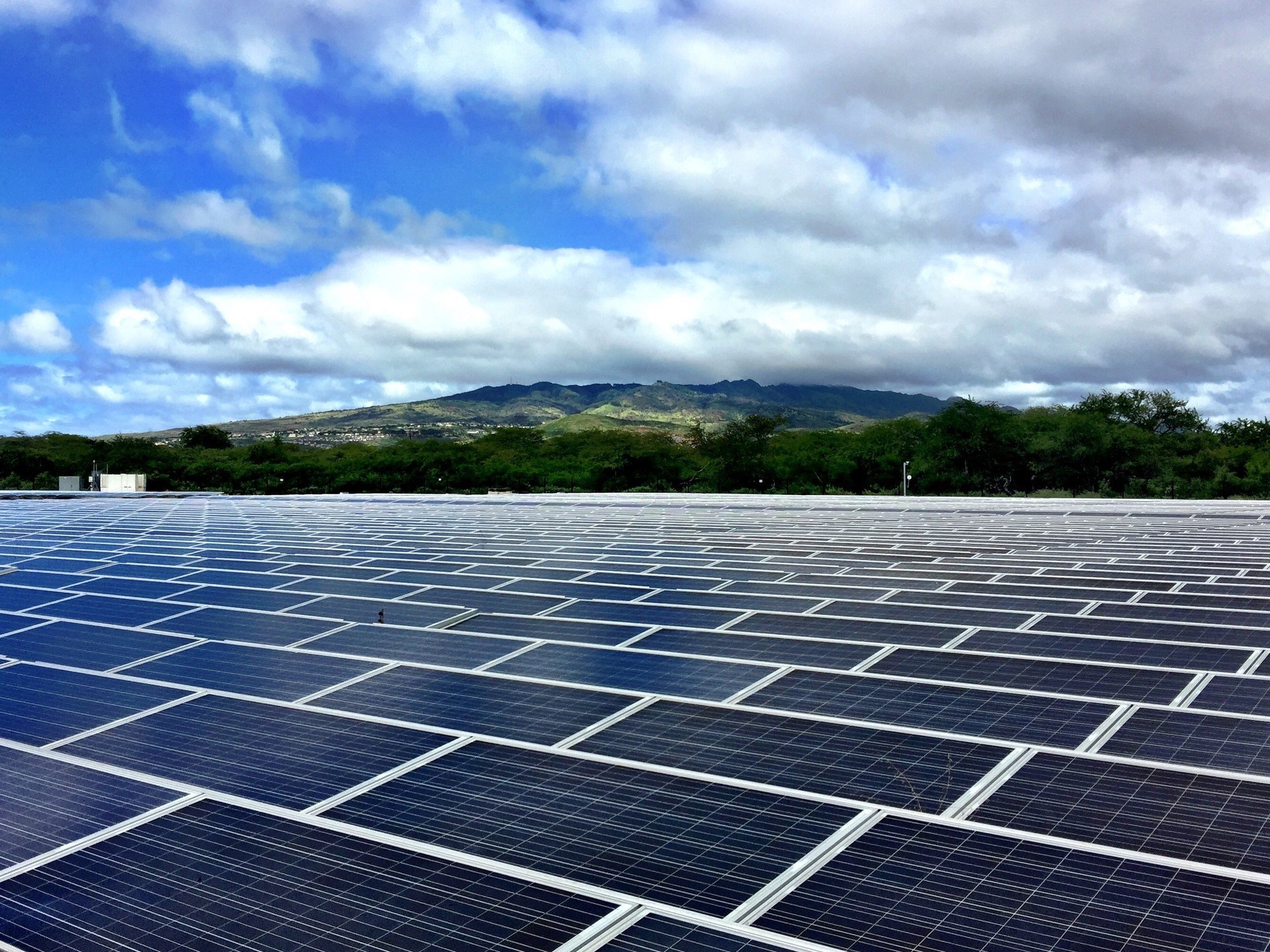
A clean energy transition, however, is increasingly moving ahead without world leaders and diplomats. According to the International Energy Agency, renewables are on track to overtake coal this year as the world’s largest source of electricity. Much of that growth has come from the bottom up. With the US-Israeli war on Iran having effectively closed the Strait of Hormuz, a chokepoint for about a fifth of the world’s oil and liquefied natural gas, and with solar costs plunging, households and businesses are buying panels on their own.
“Earlier this decade, we passed some invisible line where it became cheaper for the first time to produce power from the sun and the wind than from setting stuff on fire,” environmentalist and author Bill McKibben told One Decision podcast. “So our job is to shake off the remaining shackles of the fossil fuel era and see if, and it’s a very open question, we can move fast enough to a clean energy economy to stare down the greatest geopolitical threat our species has ever faced.”
THE MAKESHIFT TRANSITION
The war in Ukraine has shown how fast conflict can reshape an energy market. Russian attacks have knocked out more than 20 gigawatts of the country’s generating capacity, up to half of the prewar total. Ukrainians have been filling part of that gap with solar panels and batteries. Renewables supplied 11 percent of electricity in 2025, and the country is now Europe’s fourth-largest battery market, letting homes and critical infrastructure keep running through outages caused by airstrikes.
“When the Russians come and bomb my thermal power plant, my coal-fired power plant, my gas-fired power plant, it takes me six months to get it back online,” a Ukrainian energy entrepreneur told McKibben. “When they come and bomb one of my solar farms, it takes me about 36 hours to go to the warehouse, get some new solar panels, and sub them in for what was there before.”
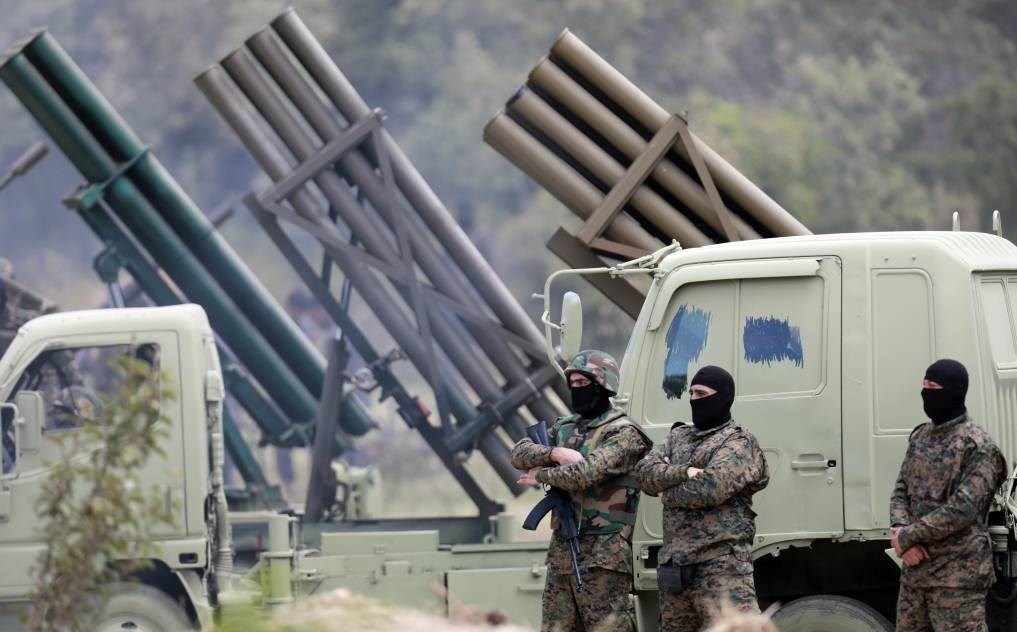
The war in Iran has worked similarly, but on a global scale. Countries that depend on Gulf fuel imports were hit hardest, and many have turned to rooftop solar. The Philippines declared a national energy emergency, and one analysis says its rooftop capacity has since doubled. Price surges in gasoline and diesel have also been driving a shift to solar in African countries. Many Nigerian homes and businesses that once ran generators are increasingly installing solar panels despite the upfront cost. In Kenya, a company recently announced a $52.5 million plan to build 300 solar-powered cell towers.
Conflict isn’t the only disruption pushing people toward renewables. Pakistan, among the countries hardest hit by floods and other climate-linked disasters, has adopted solar power at one of the fastest paces in the world. About 7 million households, nearly one in five, now have solar panels, and in the first three months of this year, solar generated nearly a third of the country’s electricity, more than coal, gas, nuclear, or hydropower. None of this, as McKibben noted, stemmed from a government program, but from “Pakistanis tired of expensive, unreliable electricity, taking matters literally into their own hands, going on YouTube to watch videos about how to snap together these solar panels.”
WILL IT BE ENOUGH?
Even as clean energy takes off around the world, the real issue is one of pace: will renewables displace fossil fuels before catastrophic damage piles up? To stay on the best remaining track, according to the UN Environment Programme, global emissions must fall 18 percent by 2030 and 45 percent by 2035 from 2025 levels. The outlook is not reassuring: a recent World Meteorological Organization report puts the odds at 75 percent that the 2026–2030 average will exceed 1.5 degrees above pre-industrial levels. Overshooting 1.5 degrees means a higher risk of faster sea-level rise, the collapse of ecosystems such as coral reefs, and more extreme heat and wildfires.
Progress has fallen short so far. The Global Carbon Project, an international consortium of scientists tracking the world’s CO2 output, projected that emissions will dip 0.4 percent this year, driven by the growth of solar and wind power and the oil shock from the war on Iran. But the researchers also found that clean energy is not yet growing fast enough to keep emissions falling once that shock fades.
Governments have also slowed — and often sabotaged — the shift to clean energy. Trump’s 2025 tax law phased out Biden-era federal tax credits for wind and solar, and his administration has moved to halt offshore wind projects. In Pakistan, regulators recently replaced net metering with lower-paying net billing in an effort to protect revenue for independent power plants, many of them coal-fired. At last year’s COP30, Saudi Arabia, Russia, and other oil and gas producers helped strip from the summit’s final agreement a roadmap for transitioning away from fossil fuels. As COP31 opened in Türkiye, a bloc of Arab countries again opposed any reference to the roadmap.
McKibben has seen this before. After the 2015 Paris talks, he said, the oil industry regrouped and undercut much of the work that followed. Still, he believes such efforts are ultimately self-defeating: every wind or solar farm chips away at the industry’s political influence, and eventually the economics of cheap clean power will win out — hopefully in time to prevent the worst damage.
“I’m relatively confident that forty years from now, we’ll run the planet mostly on sun and wind because of market forces,” he said. “I’m also relatively confident that if it takes us anything like forty years, then the planet we run on sun and wind will be a broken planet.”
Stay in touch
Sign up for the free One Decision newsletter