Episode Info
- Season26
- Episode2
Hosted by Christina Ruffini and Sir Richard Dearlove
Guests
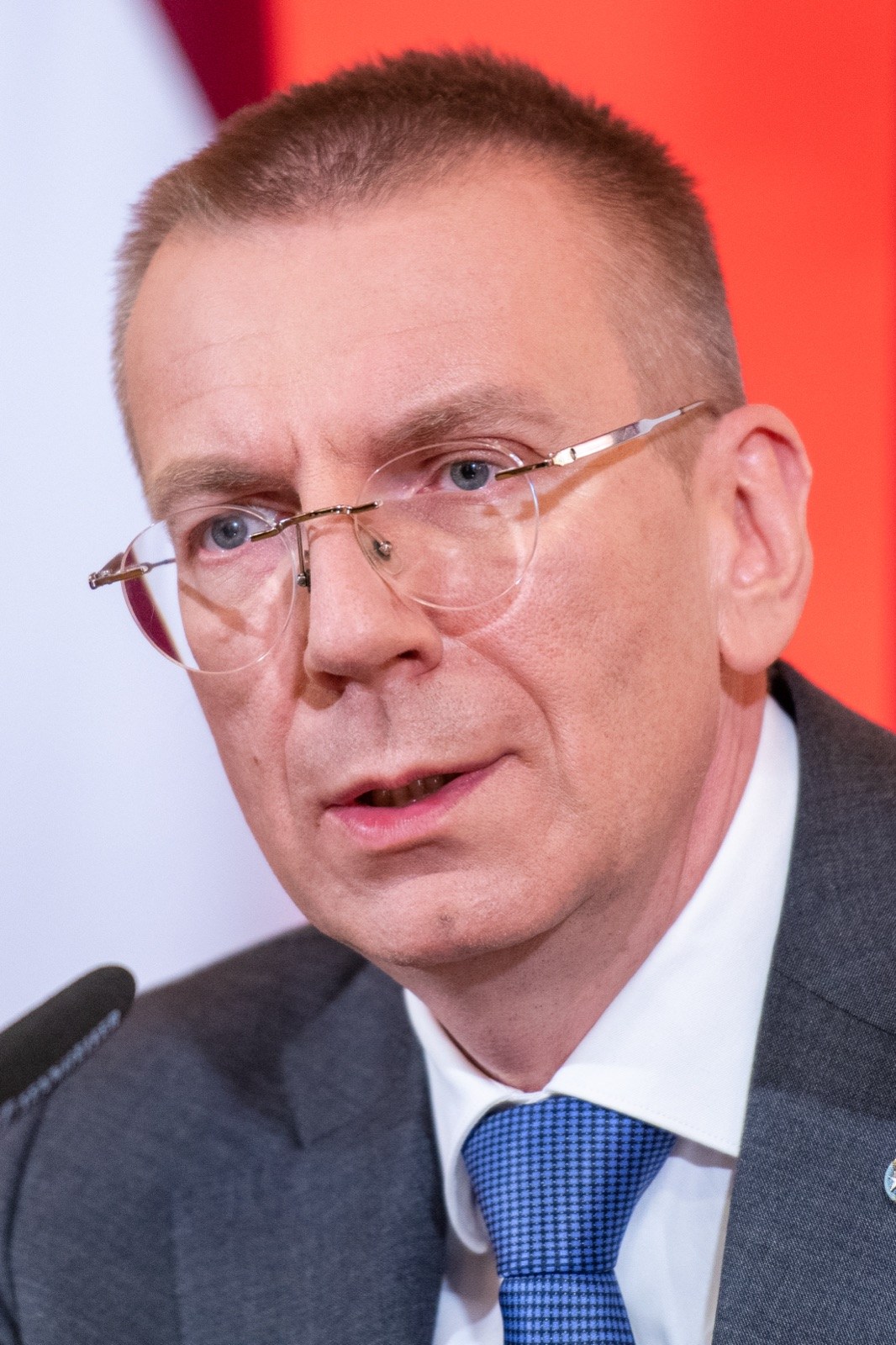
Edgars Rinkēvičs
Edgars Rinkēvičs is the Latvian President participating in a live panel discussion on the NATO summit and the future of the alliance.
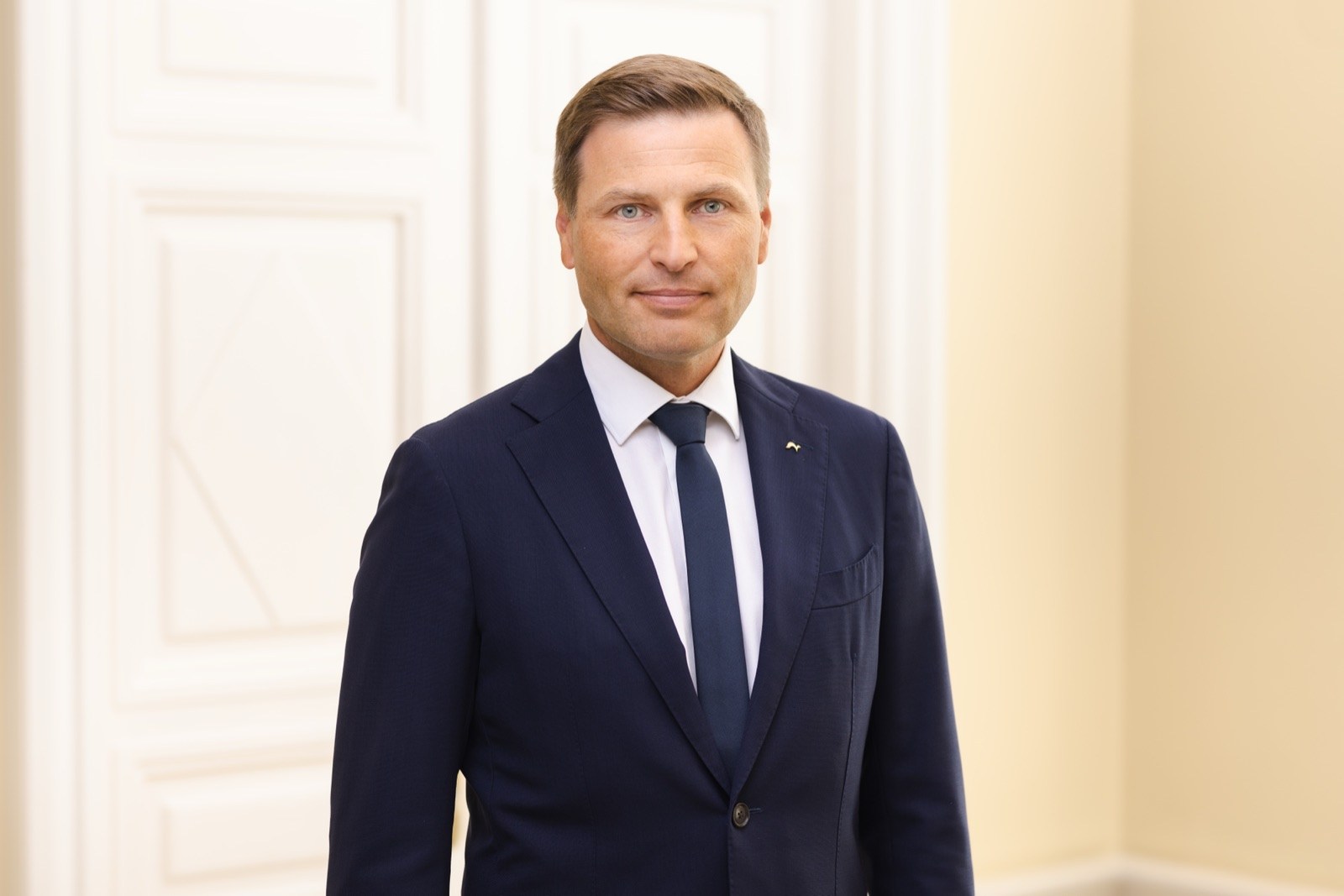
Hanno Pevkur
Hanno Pevkur is the Estonian Minister of Defense participating in a live panel discussion on the NATO summit and the future of the alliance.
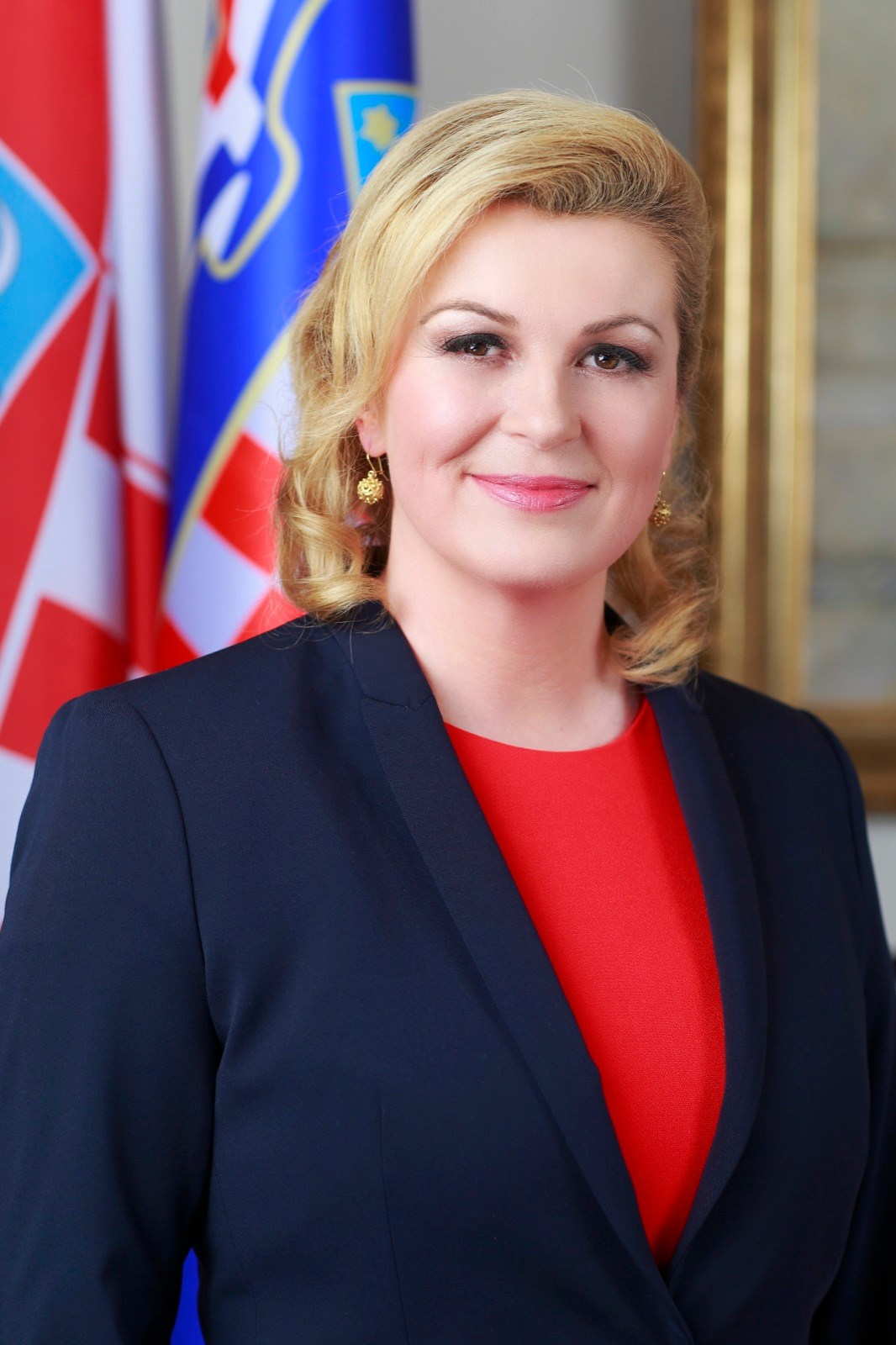
Kolinda Grabar-Kitarović
Kolinda Grabar-Kitarović is a former Croatian President participating in a live panel discussion on the NATO summit and the future of the alliance.
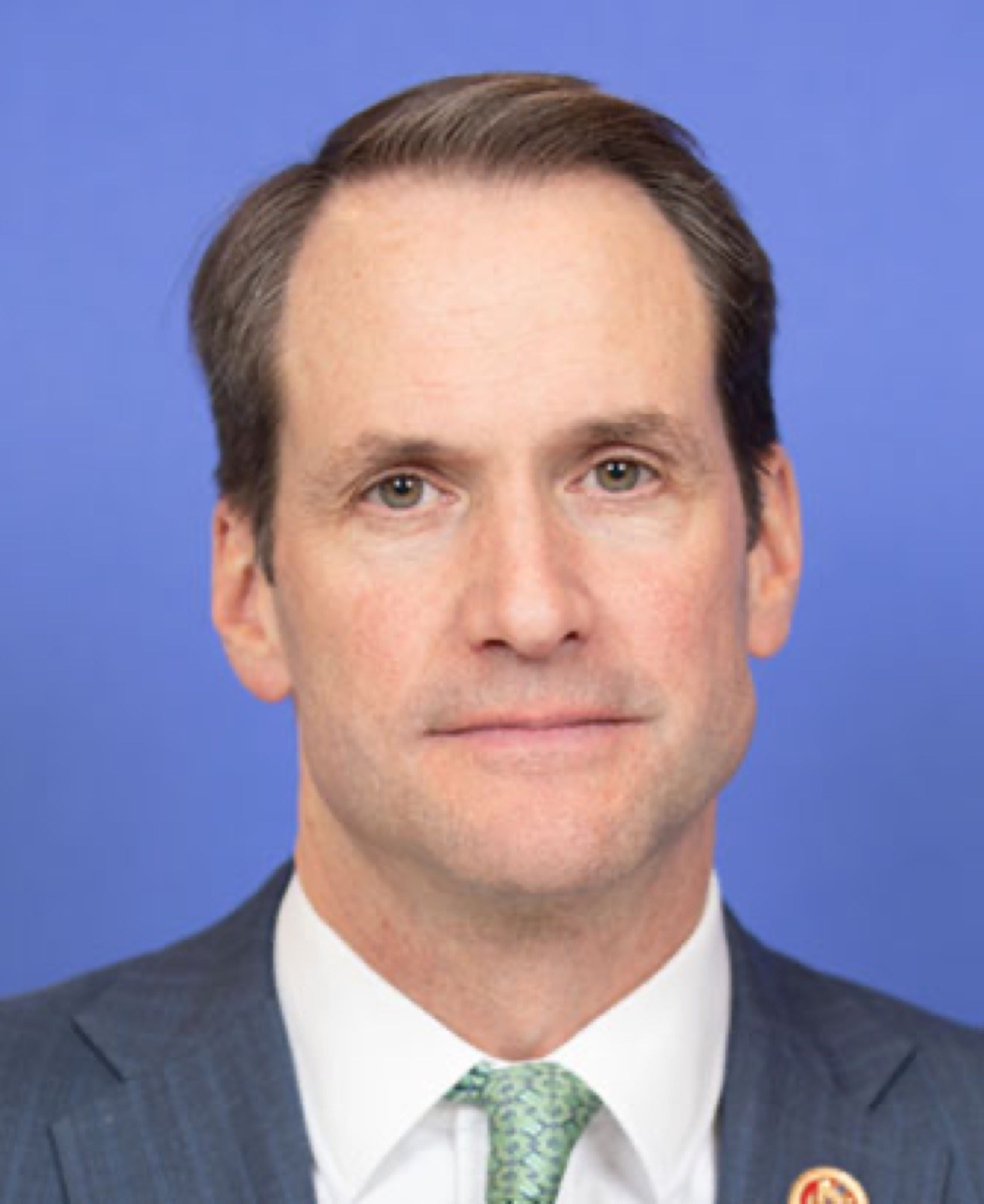
Jim Himes
Jim Himes is the US House Intelligence Committee's top Democrat participating in a live panel discussion on what the NATO summit and the future hold for the alliance.
Episode Summary
The NATO alliance is meeting in Washington amidst the most dangerous security environment since the Cold War. One Decision teamed up with the International Spy Museum for a live panel discussion in front of hundreds of delegates, press, and political leaders. Our new co-host, former US Defense Secretary and CIA director Leon Panetta sat down with Latvian President Edgars Rinkēvičs, Estonian Minister of Defense Hanno Pevkur, former Croatian President Kolinda Grabar-Kitarović, along with the US House Intelligence Committee's top Democrat, Jim Himes. The panel was moderated by Christina Ruffini and the museum’s historian Dr. Andrew Hammond. They looked at what this summit and the future holds for the alliance. They also delve into what Ukraine needs for the next stage of the conflict and how the next American administration will impact global security.
Listen & Subscribe
- Watch on YouTube
- Listen on Apple Podcasts
- Listen on Spotify
Transcript
COLD OPEN
Panetta: We all have gone to the NATO conferences. In the old days, basically, NATO was kind of a place where everybody did their talking points and then left. But for the first time in a very long time, NATO is more than just a forum. It is a security alliance that is very important to protecting world peace.
INTRODUCTION
Raffini: You're listening to One Decision, the podcast that explores some of the biggest choices and issues that have global impact. I'm correspondent Christina Raffini coming to you live from the International Spy Museum in Washington, where we hosted a live panel on the eve of the NATO Summit to discuss the future of the alliance. I was joined on stage by One Decision's new cohost, former CIA director and US secretary of defense Leon Panetta, and Doctor Andrew Hammond, the museum's curator and historian and host of the Spycast podcast. Joining us for the first panel was the President of Latvia, Edgars Rinkevics, Estonia's Defense Minister, Hanno Pevkur, and the former President of Croatia, Kolinda Grabar-Kitarovic. Let's listen to that conversation now. And coming up, a discussion with the ranking Democrat on the House Intelligence Committee, Congressman Jim Himes. I think we want to start with you, Mr. President. So seventy five years ago, the first Secretary General of NATO said this very well known thing where when asked to define the alliance, he said it was to keep Germany down, Russia out, and The US in. Seventy five years later, if you had to come up with a pithy little saying to define where the alliance is, what would you say?
PANEL: THE FUTURE OF NATO
Rinkevics: Well, I think that we still need America in. We still need Russia out. But I think that what we are going to discuss increasingly at NATO, what we are going to do with China.
Raffini: Do you think the alliance in its current form is able to address that issue?
Rinkevics: I do believe yes. I think that the fact that we are going to have already a very regular meeting with leaders from Asia Pacific region shows that there is mutual interest. The fact that Asia Pacific countries have been very supportive of Ukraine, and we understand that there are very many shared issues also addressing some of difficulties in that region.
Raffini: Because they see echoes of Taiwan.
Rinkevics: Yes, but I think that everyone is watching what is going to happen with Ukraine. How well we are going to be supporting the country further on. And yes, I do believe that many are going to draw the lessons from where we are going to be in a year or so in our support for Ukraine. Ukraine winning is our strategy that I still believe we don't have complete one. We still have a bit different views. For instance, we believe in all part of NATO that Ukraine must win this war, that only victorious strategy is the one that we can support. But we also have this kind of notion that we are going to support Ukraine as long as necessary, as much as necessary, and this is a big issue that we should qualify.
Raffini: Are you not feeling that same dedication from all the other members of the alliance? Anybody you wanna call out by name?
Rinkevics: Yeah, of course. You can't expect of course sitting president to ruin the whole summit before it even starts.
Raffini: I had to please try, I apologize. Please continue.
Rinkevics: But on a serious note, I would say that for me, there are at least two key indicators. One, support for Ukraine. And I hope that we are going to agree on the long term support mechanism for Ukraine, regardless of what is happening in that or in other NATO member state. Another thing, it's more, I would say sensitive, but I still believe that when we give weapons and equipment and ammunition to Ukraine, then Ukraine must be able to use it without any restrictions. And this is something that NATO is not going to decide because it's not NATO's decision. But if we have an honest and frank discussion, and if those countries that still have restriction are going to lift it, then probably we would be closer also to this kind of strategic outlook, what we want to see Ukraine, let's say, doing a medium or long term and that's winning this war.
Hammond: There's lots of discussion here in The United States about America's role in the world. So it's easy to see when you look at the 32 member alliance, what smaller countries get from being in an alliance with The United States. So if you were to address a NATO skeptical American on the street, what would you say to them that America gets out of being in NATO, being in an alliance with some of the other countries?
Rinkevics: I would love to pass this question to Estonian defense minister, for instance.
Raffini: But I understand. Anyone can jump in at any time, but you know. You have the big job. We wanted to pressure you first.
Rinkevics: I think that it is sometimes very difficult to explain simple things in a simple language. But my message would be that The United States get the same what smaller member states in Europe get. And that's more security, more defense because the world is very much interlinked. You never know when you need support from bigger and smaller nations. When you are in trouble, reference to nine eleven, post nine eleven, all what we together were doing in Afghanistan tackling terrorism. Well, we know how it ended. We know that also here we had some flaws on strategy and how to probably end this operation. But then I think that it is also very important to understand that for us in Europe, it's also very important to explain to the American public that, for instance, there is a debate in The United States that US are doing a lot to support Ukraine, and Europe is not doing enough. If you look at figures, it's actually a different picture. Europe is doing more than The United States. The financial support, military support we all have provided so far has been enormous. And I think that this is something that I would explain that we are taking the security and defense seriously. We are ready and we have always supported US when US have been under attack, and we very much hope that this is going to continue. But then we also understand that the ordinary people, be it in Latvia or in The United States or somewhere else, sometimes do care more about economy, social issues, internal security. And we also should take those concerns seriously and address them in the same manner that we are addressing the high geopolitical issues.
Raffini: Mr. Defense Minister, I wanted to ask, Latvia, Lithuania, Estonia have been sounding the alarm about Russia for quite some time. And there was almost a moment of I told you so after the invasion of Ukraine. I'm wondering now, do you feel that the other members of the alliance are taking the warnings more seriously, or do you think there's a complacency that's already settling in? And when Russia invaded, NATO's response was a bit slow at first and was a bit slow to get started. Why do you think that was?
Pevkur: Well, first of all, it's good to be here. Thank you for inviting and definitely, you know, starting from that, you know, that why it is important also for Americans, and what we see in Russia today then, well, I believe that, you know, when we are doing something together, then this one for all, all for one principle is something we value. And we're not standing only in Estonia or in any other country in the Alliance for that, that we like. It's because of our security and because of our common values. So the common values are standing for the freedom for democracy. Russia is not that, what we stand for. So this is, you know, the main reason why we have to be together. And seventy five years we've been successful in that. So in the alliance, in the Euro Atlantic or Transatlantic Zone, we have not seen any war. And this is not very common, to be honest. When you go back in history, you see that there have been wars all the time, and we've been successful keeping the peace. And at the moment, also, are fighting in Ukraine together with Ukrainians, so helping Ukrainians for the peace. So it's not about that somebody wants to go to Ukraine to fight or we are not sending the weapons or we are sending the weapons for Ukrainians to kill Russians. No. It's about the fight of the freedom. When you ask, do you know that what we can do more or what do we see as an alliance and then what we have done in the Baltic States. So yes, we've done a lot. So when you take also the numbers, yes, Estonia still has given the biggest share of our economy to Ukraine. So it's close to 1.5% already from our economy. And you can just multiply that to US terms and you can understand what the help could be. We've also came out with the idea to support 0.25% Ukraine in our Ramstein format where we have a bit more than 50 countries. So this would give us around $100 to $120 billion annually. So this is, you know, where we believe that we've done great things and right things. And then when you ask that, you know, that should have been there early warning or earlier warning, then I would say that, you know, there is no point to point a finger to someone. There is no reason to say today that we said so. That doesn't help us. We need to look into the future and to see that what we can do more, and then what we have to do. And the message to Russia has to be very clear. Ukraine will be in NATO. And Russia cannot say to anyone that you have no right to go to NATO, because this is the right of each independent country. When you want to join the club, you are welcome. And when you look also into the history of NATO, then you see that, you know, these enlargements have been very different. So Estonia, Latvia, Lithuania, enlargement of 2004 was with membership action plan. Finland, Sweden now joined by invitation. So when you go back in history also to 1999 and then previous enlargements, then you have seen that, you know, NATO has always had different rules, and we can also set different rule for Ukraine. But I don't want to go into that that, you know, we've said that or we should do this. Yes, of course, you know, when you give me half an hour, can name all the plans what we can do in order to help more Ukraine, and then we've done that. And at the moment, by share of our economy to defense spending, Estonia is at the moment passed also United States. So we have 3.46 and United States has 3.38. So but that doesn't matter because absolute volumes is not the margins, or the margins are different in absolute volumes, and it should be so because the economies are different, but we are still standing for the same principles. And as Mr. Rinkevics has one vote behind the table, then Estonia has one vote, also United States has one vote. And this is exactly how we manage in democracies. When you are elected or when you are in the club, then you respect the rules of the club.
Hammond: This is the fifteenth anniversary of Croatia's membership of NATO. Like the president of Latvia and the Estonian defense minister, you were all born during the communist time, I guess, on the other side, if you want to put it like that. I just wondered if you could tell me about your journey personally or the journey of Croatia as a country going from communism into becoming part of NATO? I know that's an open ended question, but I'm just really curious about what your take on it is.
Grabar-Kitarovic: Good evening, first of all. I definitely could talk about that for a really long time and I get criticized by some in Croatia when I say that I was born on the wrong side of the Iron Curtain because technically Yugoslavia was non aligned, but yes, the system was different. And I came to The US as an exchange student in 1985-1986 at the height of the Reagan administration, and I learned a lot about individual liberties and responsibilities. It was a very important formative experience for me personally. And went back to the former Yugoslavia, the situation became quite turbulent. Croatia tried to achieve independence many times before the 90s, but neither the internal nor the external circumstances were right. Then it was the rise of Milosevic, but the principal reasons for the fall of the former Yugoslavia were economic, and then nationalism built on that and the ideology of the greater Serbia. So the war started, I started working for the government and my American family came and they wanted for me to go back to The States, but I said no, I want to stay in Croatia because if I leave who's going to stay. So it was my choice to work for the government and little did I know that I would later become foreign minister and president of the country. But even as I think back to my childhood, my family were part of the resistance movement, partisans, anti Nazi, but never communists. And they actually felt duped by communists that we became part of the communist Yugoslavia. So, I grew up in a region that was always anti communist and really embraced the idea of a free Croatia. And right at the outstart, we made that decision to rejoin the democratic family of nations and become a member state of the EU and NATO, which we have achieved. You see, it's been fifteen years, wow, because I was the one who actually delivered the protocol here of ratification by the Croatian Parliament, which marked the step of actually Croatia becoming a member state of NATO. So, from a country that was a recipient of peace and security, we pretty quickly became a country that was actively working towards not just regional security, but participating in almost all NATO and UN operations around the world. And the change has been tremendous. We've gone through a lot. And what's happening in Ukraine today can in a way be compared to Croatia, but it's on an entirely different level. It started with hybrid warfare like we had in Ukraine in 2014, and it became an open aggression. So a lot of our experiences are relatable and I hope that Us Croatia will be able to help and assist Ukraine on their path to both the European Union and NATO.
Raffini: I don't want to do too much what we call here Monday morning quarterbacking where you look back. But Secretary Panetta, I wanted to ask you, as we're talking about the lead up to the invasion of Ukraine and even in the weeks and months right after, there was a very strong message from the Biden administration that they were gonna send support, but there would not be boots on the ground in Ukraine. There were no circumstances where they were gonna put American soldiers in the line of fire of Russian forces. Was that a strategic mistake to telegraph that to Putin that there was no chance that was happening?
Panetta: Well, you know, look, we've heard from three countries that are on the front lines, when it comes to dealing with the threat from Russia. And the fact is that right now, and we're celebrating the seventy fifth anniversary of NATO, the fact is that NATO today is probably the strongest defense alliance in history. It's larger, it's more unified, and it really is developing the resources necessary in order to make it work. And The United States is important in providing world leadership because the reality is that if The United States doesn't provide world leadership, I'm not sure who will. And so The United States' role in coming together and having President Biden and NATO unify NATO so that it said to Putin and to Russia, you do this and you're gonna pay a price. Sanctions are gonna be applied. We'll provide weapons. We'll provide training. We'll reinforce NATO countries. We will take steps to make sure that you will not succeed in Ukraine. And are there decisions that were made that should have been made earlier? Yeah, they probably are. But when you stand back and see what's happened and the fact that NATO is truly unified — I mean, I've gone to the NATO conferences. We all have gone to the NATO conferences. In the old days, basically, NATO was kind of a place where everybody did their talking points and then left. But for the first time in a very long time, NATO is more than just a forum. It is a security alliance that is very important to protecting world peace. The message that NATO sent to the world by backing Ukraine, and that Ukraine sent to the world by stopping the Russian invasion, is the message that we need to send to our adversaries around the world, to China, to Iran, to North Korea, and to other authoritarians who basically denounce democracy. This is a very important battle that we are in. And my hope is that this NATO conference will do two important things. One is to stress that Ukraine must succeed in stopping Putin. That is critical. And whatever it takes to make sure that we stop Putin is what The United States and NATO have to do. We cannot afford for Putin to be successful. We can't because it'll impact on our security and it'll impact on their security. So it is absolutely critical that Ukraine has to be successful, has to defeat Putin, and we have to provide whatever weapons, whatever support, whatever assistance is necessary in order to help Ukraine be able to win that war. Secondly, I think we have to have sent a very clear message that we will build a bridge for Ukraine into NATO, that we will do whatever is necessary to make sure that Ukraine meets both the moral tests and the economic tests that are necessary in order to qualify for NATO, but that we will build that bridge for Ukraine to become a member of NATO. Those are two very important messages that I hope come out of the NATO conference here in Washington.
Pevkur: I fully agree that all the messages, and this is exactly what we've been saying for a long time. Unfortunately, what we see at the moment is that, yes, the truth is that NATO is stronger than ever. That's absolute fact. Also, you take the military spending, so we are reaching already 23 countries from 32 who apply or who have 2% at least. But for sure, 2% is not enough today anymore. It's not enough. It should be 2.5%, maybe 3%. But this means that we need to make political decisions. And this means that the taxpayers have to pay for that. And this is unfortunately the reality because when I'm looking at the Russian reconstitution of the Russian army, then this is, sorry to say, too fast comparing to us. And the industry is not ready, even when we are putting a lot of money today into defense. So US defense budget is around $770 billions, and Europe's defense spending is around 400 billions. So we have a trillion in our countries for defense. For instance, when I come today to Lockheed Martin and say that I want to buy 100 ATACMS, then I will get them in 2028. 2028. Today is 2024, and the Russian threat is present. So the reality is that we are putting a lot of money into defense. We are putting a lot of money onto the market. Luckily, we have also the industry forum also tomorrow and day after. So this is one that Russia is reconstituting sooner and faster as we have expected. Secondly, our own industries in US, in Europe are not ready to deliver yet. They are ramping up also the industries when you take 155 production. So when we talk about the 155 shells, then the production is going up. Europe and US is producing very soon close to 4,000,000 rounds annually, but still it's not enough because we have to feed Ukrainians and we have to feed our own countries. So there is a huge challenge ahead of us. So this is why 2% is not enough and this is why we really need to do a lot more. And although it is anniversary summit, Jubilee Summit, still we need to be serious, and we need to talk seriously to each other where we stand at and what is the situation.
Raffini: Secretary Panetta just said whatever it takes. Do you all think The US is doing whatever it takes?
Pevkur: Well, I would like to see what the new administration will do, because, today, the 61 are there, and then this will help Ukrainians to fight this year. But that's only this year. What will happen next year, we will see in November, and then in January when the new president will step into the office. So this is what the Ukrainians need to know. And here I agree with President Zelenskyy a lot where he said that just a couple of days ago when President Trump is ready to end the war immediately, then Ukrainians want to know how it goes because they need to prepare. So this is rather the question that what happens in January because this year is covered. Also, when we take also the initiative what will be put on table tomorrow that we will agree on 40,000,000,000 package for next year from NATO's side, then this is not enough. It needs to be at level $100 to $120 billion annually. So and this is the question not only to US, this is the question to all of the countries. Are we ready to make a final push to push Russians out of Ukraine?
Panetta: I think it's absolutely critical that both The United States and NATO be willing to provide the weapon systems, to provide the training, to provide the assistance that's necessary. The worst thing that happened, very frankly this past year, is the failure of The United States to pass the package of aid that was so critical to Ukraine. It was held up for six or seven months in the Congress. And that's a problem. That's a problem. You mentioned mistakes that have been made. That's a big mistake. Because by failing to provide that aid in an expedited way, it basically sent a message to Putin that The United States is divided and therefore can't pass the assistance that's absolutely essential, and Putin took advantage of it. Putin does that very well. He takes advantage of opportunities, and that's what he did. And it put Ukraine in a hole in terms of their ability to stop the Russian advances. So The United States is going to — if we're to be an effective partner with this alliance, The United States has got to be able to have a strong bipartisan consensus that both parties are gonna strongly support whatever aid is provided to Ukraine. That is absolutely essential to the success of NATO and The United States sending that message to Putin during this conference that he can throw Russians out there and have them killed by huge numbers, but we are not going to allow Russia to succeed. I think there's got to be a clearer message that we're not just providing aid to Ukraine and hoping that Ukraine can win. We've got to provide a message that the world is unified behind Ukraine and that we will do whatever is necessary to make sure that we do in fact stop Putin. That is the most important message we could send right now.
Grabar-Kitarovic: The message should be that he cannot wait us out because this is what exactly he has been doing. And 2024 has been and will be a very difficult year for Ukraine and for all of us because it's the year of uncertainties. It's an election year, not just in The United States, but in many other countries, and pre election periods tend to be very heated, debatable periods where issues become part of the campaign in Ukraine. Unfortunately, aid to Ukraine has become an issue here in The US, and it's important to note it's not charity. It's really defending our own interests and our own values. This war has been going on since 2014, not 2022, but openly since 2022, but really since 2014. And it's clear that the ambitions are to restore spheres of influence. This is only a regional conflict, but it has global consequences with China enabling Russia's war economy, providing microchips and other technology with weapons coming in from North Korea and Iran. And these are all the sorts of things that show implications for The United States as well. And looking towards next year, of course, it's not up to us to decide who's going to be elected as the next US President. We will have to deal with whoever continues. But I do believe that ultimately any US President realizes that the potential loss for Ukraine sets a really dangerous precedent that The United States is also defeatable, that NATO is defeatable, that the West, I don't like that term, the collective West, but certainly alliance of liberal democracies is defeatable, and that would encourage any disruptors or any rogue states or whatever you will want to call them, either states or rogue elements, that you can start a territorial aggression, that you can tear apart the international rule book, and it's going to go unpunished ultimately, that you're going to get your own way. So we're setting precedents not just for Russia and Ukraine, not just for the EU and The United States, but for the global order as well.
Raffini: Just out of curiosity, how many people on the stage have met Vladimir Putin? Can we have a show of hands? One. On the stage. No. You have as well, sir. Right, Mister president?
Pevkur: I saw a photo. Okay. I prefer Zelenskyy. I met him many times.
Raffini: Mister president, we'll let you have the last word.
Rinkevics: I think that what we are currently seeing is that when it comes to kind of general understanding that we must deal with Russia, we have pretty good consensus around the table. We understand the danger. The problem is that not always we agree how to do that. I think that one of our biggest problems is that we are self imposing red lines. We make them public, and everyone in Moscow reads and does exactly what they think is the most efficient way. We have already talked about those restrictions on the use of weapons. I think that we are debating now whether to send or not to send the instructors to Ukraine. My own government still works on details, and we haven't made our mind up, and we don't have any decision. But I think it is important that we keep all options open. And if Russia sees that we have some kind of strategic volatility that we can make decisions without any self imposed red lines, then of course, they are also going to act not in such a manner that they do. That's one. About US as reliable ally. Well, I really love to follow the debate in The United States. I just had a Fox News interview earlier today. And I got great questions about both candidates, which I try to avoid as much as I can saying that I'm trying to avoid those too. Who is the one whom US citizens are going to elect. But I think that let's look at what currently is being done in reality to strengthen NATO's eastern flank. I think we have done so many things if we look even at the history of five years ago, but we also understand that we need to do much more. Support for Ukraine, resolve those issues we discussed, it's still there. Yes. I agree. That was a very bad message that was sent by holding the assistance for almost six months, but it's there. Now at NATO, we are working out kind of scheme how to support Ukraine further. I don't have doubts about US commitment towards NATO. I don't have doubts about the way how NATO function. But I think where we need to get better is that we need to show that actually after great declarations, after spending days and nights struggling about that or another sentence and that or another word in the declaration that frankly doesn't matter so much, that we show up and that we show real capabilities and real strengths on the border and real support for Ukraine. I think that press is going to write a lot and to report a lot about that or another debate at NATO. It's not relevant what we are going to debate and how we are going to debate, but it's relevant how we are going to move forward and where the real support for Ukraine is, real troops are showing up at our border so that we don't have this, let's say, repetition of the history that my region knows so well.
Raffini: Thank you so much everyone. Thank you to our panelists for making the time today. Thanks to the president of Latvia, Estonia's defense minister, and the former Croatian president for joining us. Now let's listen in to our discussion with ranking Democrat on House Intelligence Committee, Congressman Jim Himes, on the implications of open source intelligence and the upcoming US elections.
INTERVIEW: CONGRESSMAN JIM HIMES
Hammond: So I think that the first question would be, are NATO member countries equipped to keep up with the rapid pace of technological change and American intelligence?
Himes: Candidly, right now, the answer to that question is no. But I'd like to see that change. Now, why do I say the answer to that question is no? Look at the top 100 technology companies in the world. I don't know the precise figures, but I think at least 90 of them will be US based companies. Palo Alto, Route 128, Austin, Texas, couple other hubs are at the very forefront of the technological revolutions that are going to drive intelligence collection and, more broadly, defense. Those are quantum, AI, couple other fields, maybe biosynthesis, haven't helped us. But that shouldn't continue. There's a long tradition, of course, of technological, going back to the development of atomic weapons, which, yes, may have happened here, but happened with European scientists. Or think DeepMind in terms of artificial intelligence. And so one of the interesting efforts that is underway out there is seeing if we can help through, for example, the NATO Innovation Fund to spread out the areas in which this kind of innovation will be accomplished.
Panetta: Look, we're living right now in the twenty first century in the age of technology. And the biggest challenge for The United States is to stay ahead of where technology is going right now. And frankly, I'm not sure The United States is doing as good a job as we need to do in order to stay ahead, particularly with regards to AI and the developing technologies that China's working on. When it comes to intelligence, Russia and its use of cyber, China and its use of cyber, both of them in their use of disinformation through AI, represents a real threat. I mean, we didn't talk about it in the last panel, but Russia is now engaging in sabotage against NATO countries. They implemented the boldest cyber strike that we've ever seen in trying to undermine our election process in this country. And they're doing it now as we speak. And China's following suit. So the biggest problem we have is to make sure that not only are we developing the technologies that will compete with the advances that both China and Russia and North Korea and Iran are making with regards to going after critical intelligence. But we've got to be able to build a stronger partnership with NATO. Now, we do have good exchanges. The fact is we do share information with our allies. But we really need to do more to work together to make sure that we are all working to try to expand our technological capability to be able to compete in the intelligence arena. If we don't do that, if we lose ground on intelligence, we are going to undermine our own security. So we've got to stay ahead of the game.
Raffini: We heard the former president talk about how many elections are happening this year all over the world, but a lot in Europe. Already, we've seen The UK and France. Power changes can be risky for alliances. There's been a lot of political turmoil in The US in the last couple years, not just in the White House, but we've talked about this delay in Congress and uncertainty in the Supreme Court. If you were one of these allies sitting on stage, would you have confidence in The US as an ally, and would you have confidence in either candidate currently running for president?
Himes: I think I'm not gonna speculate too much on how either a reelected President Biden or a reelected President Trump would think about NATO. Obviously, there would be pretty profound differences in approach. But I think at some sort of tectonic level, our allies do understand or should understand that there is always, usually subterranean, isolationist instinct in this country. And that's just a reality. And it emerges from time to time. It emerges when economic conditions here are not good. It emerges when we come off a period of internationalism being compromised by things like the Iraq War, which I don't think anybody out there in the electorate would want to repeat. Afghanistan, not a success. So we are in that isolationist moment.
Raffini: And it's not just Donald Trump. Donald Trump is an isolationist at heart. But I mean, Biden is the one who said, you know, we're getting out of Afghanistan come what may. I'm not sending troops to Ukraine. So I mean, it's across—
Himes: Obviously, there's stark differences. But as you said, there's a threat of it through many administrations and across party lines. And I think, look, there's things that can happen that can help with this. You know, we could argue whether it was smart for the president to make a clear red line about sending troops. Sometimes people who are thinking with a national security mindset forget that there is actually a political mindset that in the eyes of any elected official is pretty important. And again, at a moment in which in much of the American public, international engagement is defined by Iraq and Afghanistan, the president may have felt — now I, by the way, I'll critique the president for other reasons. I think we have been too slow and too late, certainly with the protocols around the use of our weapons. I mean, it's appalling that two years into this conflict, we don't have F-16s flying in Ukraine. I could go on about that. But there are things that our allies can do quite apart from understanding natural American isolationism, like, for example, taking the third of NATO members who are not at the 2% — I may sound like Donald Trump in saying this — and getting there. That kind of thing will really help. I would suggest, if I may be frank, that having NATO members who are backsliding with respect to democratic norms is not helpful, fully acknowledging that we might have that critique pointed at us. But there are things that our allies, I think, can do that are probably good to do in and of themselves, but will also help influence the domestic political environment.
Raffini: Do you have confidence in President Biden's ability to lead for four more years?
Himes: I do. It's not a surprise to anybody in this room that there is a real conversation, political conversation happening in this country, largely catalyzed by the debate performance. So let's just name the elephant in the room. But yes, I do. And I spent a lot of time with the president on national security matters, and, yes, I do. And it's not just him. It's his team who I think are very capable. And by the way, American elections are choices between two people. So I won't get partisan on this, but I have more confidence in the current president than in the former one in terms of, you know, keeping our commitments.
Panetta: I think the key is going to be because political uncertainty is a reality we live with throughout the world. You know, we've just had elections in France. We're not sure what the right's gonna do in Germany or in Netherlands. We're constantly facing usually some kind of turmoil when it comes to elections of one kind or another. But what I hope we can do is to create the kind of alliances that can provide stability when it comes to national security, regardless of the ups and downs that come with elections. And the fact is that right now, I think it's fair to say that on a bipartisan basis, there is strong support for supporting both NATO and Ukraine. Now one of the candidates may not be that supportive, but the reality is he's gotta deal with Congress. And I think Congress, no matter what happens on the presidential race, I suspect that Congress is still going to have strong bipartisan leadership with regards to being strong on Ukraine. And I hope that that's the case. Because regardless of who sits in the White House, the reality is that NATO and The United States have gotta build a strong coalition that can confront challenges in the world. And it isn't just Ukraine and Russia. It is China. It is Iran. It is North Korea. It is cyber attacks that can impact on our security. We have got to be able to maintain our security no matter who the hell's president.
Hammond: I just want to ask a quick question about the open source intelligence revolution. So we hear a lot of discussion in the intelligence community about flipping the script from 80% secret intelligence and 20% open source intelligence to 80% open source intelligence and 20% secret intelligence. What implications does this revolution have for how NATO does intelligence?
Himes: Well, I don't know if those percentages are quite right, but the concept is absolutely right. I mean, we live in this panopticon now where any of you with a device in his pocket right now, probably forget about the NSA. We can probably purchase just about anything we want to purchase from commercially available data brokers, pretty much everything out there. So there's no question that open source has got to be a much bigger part of our US and our NATO toolbox. And by the way, we're going in the wrong direction on this. The president's budget actually proposed a reduction in the amount of resources put that way. And here in this country in particular, have a challenge because we have, I think, inappropriate but challenging conversation to have about privacy. And it's not one that we're very advanced on. Whatever you think of GDPR, we're well behind The UK, we're well behind Europe. And so we have — as ranking member of the intelligence committee, I would tell you that is an area in which we should be putting a lot more resources, a lot more focus, a lot more intentionality, and we are as yet moving in the wrong direction.
Panetta: The problem in the intelligence area is that you can't just put all of your eggs in one basket if you're trying to get good intelligence. You gotta be able to cover all the bases. And yes, you know, open sources now are a big deal largely because with the technology that's being used now, people have cell phones everywhere in the world. There are things that are going on that happen in a split second that can be reported on open source sources that are extremely important to being able to get ahead of something that may be happening in another part of the world. But my fear right now is that we are emphasizing technology, we're emphasizing open sources, but we aren't emphasizing spies on the ground. You need to have people on the ground to be able to make sure you know what is taking place. Now, I realize that there's a tendency to kind of say, why do we have to put somebody in harm's way when we can try to rely on a satellite or try to rely on technology? But you need to have people on the ground. When we were going after Al Qaeda in Pakistan, we were using drones to basically focus on them. But we also had hundreds of spies on the ground that were confirming the targets that we were firing at. We couldn't have done that without spies on the ground. Look, we just had a recent example of what happened with Hamas in Israel. It's an example that Israel did not put enough spies on the ground to be able to understand what Hamas was up to, what they were planning. They basically were operating with new technology. They were operating with other things that they thought were giving them a pretty good picture of what was happening. They failed. They failed. So the message is you want good intelligence, you better damn well invest not just in technology and open sources, but in people on the ground.
Raffini: When it comes to Ukraine's NATO membership, it sounds like we're not gonna hear any big announcements on that front out of the summit this week. Do you think Ukraine will ever actually achieve NATO membership, or do you think that NATO is being too quick to offer that and that's something that should be held in reserve for possible peace negotiations further on?
Himes: My view on this is that it's a little bit absurd to talk about NATO membership right now. Right? I mean, instantly, article five is invoked, that gets sporty. So and by the way, I will, as a politician, do something that's not very common, which is to tell you I flipped on this. If you'd asked me this question five years ago, I would have made an argument that that would have been provocative of the Russians. I would have made the point that, you know, it's sort of hard to say this looking at the last two years, but, you know, Russia has legitimate historical fears about their periphery. They lost 20,000,000 people in World War II. But I flipped on that. Because of their behavior, they have lost the credibility to stand on their historical concerns around their periphery. And so my own view is that, yes, NATO membership is offered, and the nod I would make to legitimate — again, this isn't just Vladimir Putin. This is families in Russia who had, you know, any number of great grandparents lost in World War Two. Yes, Ukraine becomes a member, and yes, we double down on making it very clear to the Russians and to others that NATO is a defensive alliance, full stop.
Panetta: I agree with that. I think it's very important to make clear that we are on a path or a bridge to bringing Ukraine into NATO. I think that NATO is a defensive alliance. We've always stressed that point time and time again. And I sure as hell think that Ukraine has earned membership in NATO with the sacrifices that they've made. They're fighting this war for us. They're fighting for democracy. Yes, they're fighting for their democracy, but the reality is they're fighting for our democracy and for other democracies in the world. I think they've earned a right to ultimately be a member of NATO.
Hammond: So are democracies inherently vulnerable to disinformation and misinformation because by the very nature of the political system that involves the recalibration of political power through competing narratives in the public sphere?
Himes: I would certainly say so for precisely the reason you outlined. If you look at totalitarian countries, even authoritarian countries, very quickly, the citizenry develops an immune system to the propaganda of the regime. This was true in Pinochet's Chile. It was certainly true under the Soviet Union. In a democracy, you don't naturally develop those antibodies. And I think that's a huge risk right now, particularly when we have not adapted to social media, which, let's face it, is a biological force. I don't say that inadvisedly. I mean, algorithms are playing to perhaps even subconscious emotional catalysts inside of us. So yes, absolutely. And it's a really hard problem. I will tell you that when I'm asked the question, of course, we're going to do everything we can to identify attempts at misinformation. I was very pleased the Supreme Court's decision that said that the federal government can actually go to the platforms and say, hey, this is Russian misinformation or, you know, the notion that you can drink bleach to solve COVID is a bad idea. Cognizant as I am, by the way, that, you know, you want clear limits on that. But at the end of the day, in addition to the hard work that we'll need to do, frankly, because we are so much more susceptible as a democracy, we need to remember that — I say this to my constituents all the time. You are not a passive observer, you are not a beneficiary of a democracy, you are a steward as a citizen, you are a steward. And I have a million ways I say this in town hall meetings but I say, you know, if you're scrolling Instagram and Facebook and you're getting increasingly outraged and you've decided that the people with whom you don't agree are traitors and should be executed, you have lost control of yourself and you are no longer a citizen of a democracy. You are serving the purposes, maybe of Vladimir Putin, maybe of some commercial enterprise. But my point is obviously that if we don't develop a sense of stewardship as citizens for our democracy, I don't think we'll win this thing.
Panetta: I think that's right on point. We have an institute for public policy where we're basically trying to inspire young people to the lives of public service. And we do a poll of college students in The United States. The poll had some disturbing results. Number one, that a majority of young people don't think they're gonna be able to enjoy the American dream was one area of concern. The other was that when we asked them, where do you get your information from? At least last year, I think there was at least some watch television, some read the newspapers along with social media. Today, 80% of the students are getting their information from social media.
Raffini: Do you know I was a network correspondent for five years. I was a White House correspondent for CBS News. And my friends who are adults with DC jobs, one works at the World Bank and one runs an advertising agency, did not know where to find me. When I would say, I'm on the news, and they would say, like, on YouTube. So it's not — I mean, it's not just kids. It's people are not watching the same places that we as people who think we're pushing out some media organizations are looking at. So anyway, I would say no.
Panetta: Well, my concern is that when they're tied to social media, it's not like they're tied to, you know, stations that are gonna provide a balanced approach to the issues. They're tuning in to the social media that basically just satisfies their idea about what the truth should be. What's happening is on the right and the left, they're being moved more and more to the extremes without any being good stewards and trying to really find out what the truth is. And it's impacting on our democracy. You know, we worry about why our democracy is dysfunctional. Well, in large measure it's dysfunctional because people are operating not on the truth but on lies. And somehow we have got to find a way to kind of open that process up again. You know, in my day, there were three networks, they all reported the news, you had a pretty good sense that they were telling the truth about what was going on, and that's what most people used as their source of information. That's no longer the case. And so, you know, if there's something good going on in the Congress, something that really is trying to affect people, problem is that doesn't get out. Because social media and media today focuses on the negative, focuses on the conflict, focuses on parties beating each other up, not working together. And we pay a price in our democracy as a result of that, and somehow we've got to find a way to break through and make sure that people are stewards of information.
Raffini: Thanks to Congressman Himes. Okay, that's it for this special episode of One Decision from the International Spy Museum. Like and subscribe so you never miss an episode. And stay tuned to this feed later in the week where we're gonna be bringing you more interviews with world leaders here at the NATO Summit. From the whole team, thanks for listening, and see you next time.